Section
XIISectionRoman
Footwear, headgear, umbrellas, walking-sticks, prepared feathers, artificial flowers
The article is worn on the foot and is not a part, an orthopaedic appliance, or sports equipment. Section XII takes it.

A description and a photograph go in. A commodity code, its duty rate, and the written classification rationale come out — the argument you file, and the one you show when someone asks for it.
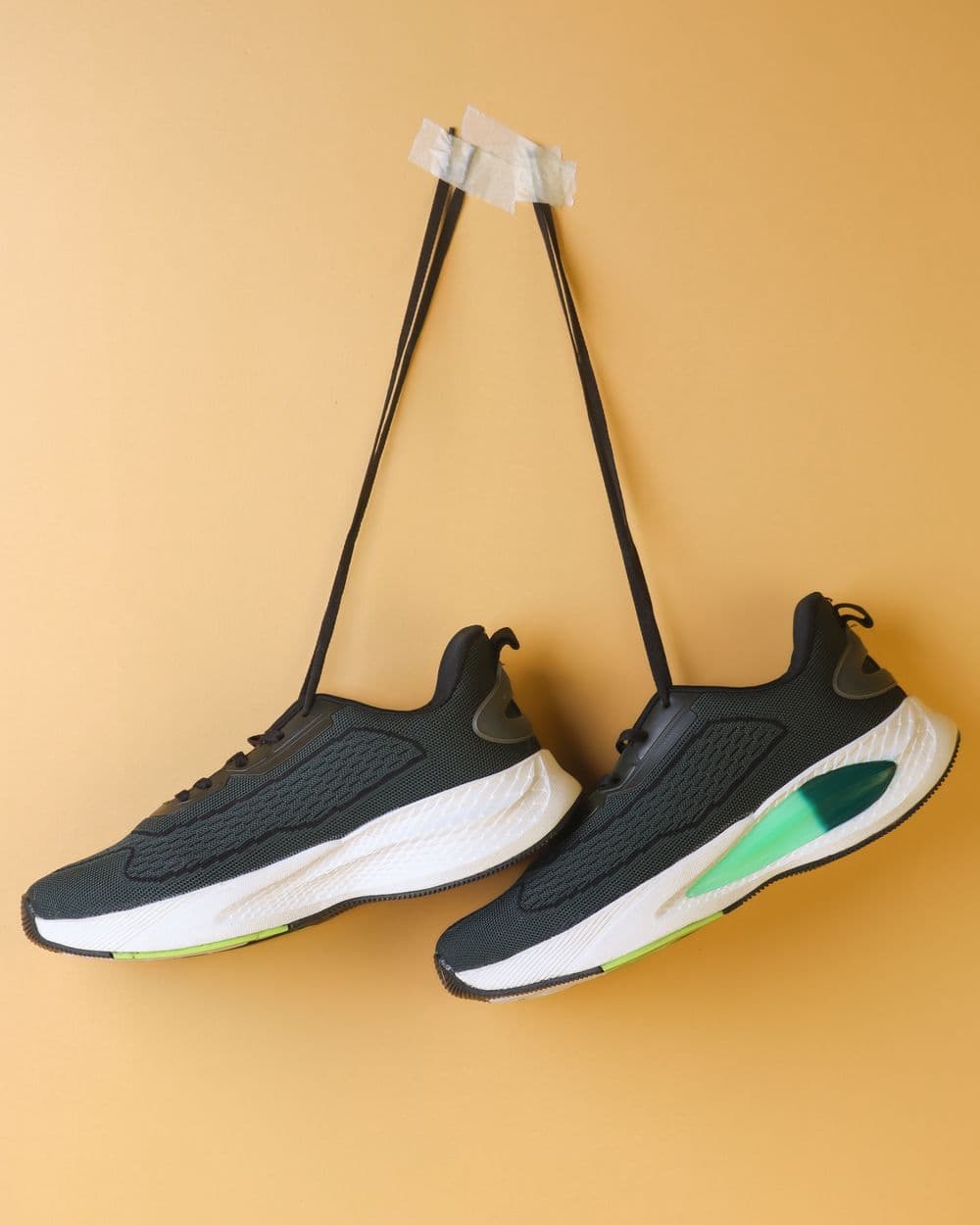
Men's road running shoe
Origin Vietnam · 1,200 pair · $18.50/pr
6404.11.90.80
Duty 20% · General (Column 1) — United States
A code is not looked up. It is arrived at, one branch at a time, with a note at every fork saying what was taken and what was left. Here is the whole descent for the consignment above.
Footwear, headgear, umbrellas, walking-sticks, prepared feathers, artificial flowers
The article is worn on the foot and is not a part, an orthopaedic appliance, or sports equipment. Section XII takes it.
Footwear, gaiters and the like; parts of such articles
A complete shoe, assembled and ready to wear. Chapter 64 Note 1 excludes disposable and orthopaedic footwear; neither applies.
Chapter 95 Note 1(g) expressly excludes sports footwear. Running shoes stay in Chapter 64 however athletic they are.
Footwear with outer soles of rubber, plastics, leather or composition leather and uppers of textile materials
Chapter 64 Note 4(a): the upper's constituent material is whichever has the greatest external surface area, disregarding accessories and reinforcements. The mesh dominates; the TPU overlays are reinforcements.
No leather appears on the external surface of the upper. The photograph settles this in a way the purchase-order line does not.
The outer sole qualifies but the upper does not. Both conditions must hold together, and here only one does.
Sports footwear; tennis shoes, basketball shoes, gym shoes, training shoes and the like
Subheading Note 1 to Chapter 64 defines sports footwear. A road running shoe is a training shoe of the kind named.
A residual provision. Under GRI 6, subheadings are compared only at the same level, and 6404.11 names this article directly.
Valued over $12 per pair; other
US statistical breakout. Declared value of $18.50 per pair clears the $12 threshold, which is what decides the last four digits.
Value bands below $12 per pair carry different rates. The declared value places this line above all of them.
6404.11.90.80 · 20%
Five decisions, each with the alternative named. The written argument for all five is below.
Ten digits fit on a line of a spreadsheet. This is the thing you keep beside the entry summary, and the thing you hand over when a customs officer asks how you got there.
TarrifIndex
Article
Commodity code
Duty rate
Basis
Text of the line
Country of origin
Before any origin-based programme or trade remedy is applied.
The article is a complete item of footwear, assembled and ready for retail sale, and is therefore prima facie within Chapter 64. Chapter 95 Note 1(g) removes sports footwear from Chapter 95 and returns it here, so the athletic purpose of the shoe does not move it out of the chapter.
Heading 6404 requires two things together: an outer sole of rubber, plastics, leather or composition leather, and an upper of textile materials. The outer sole is compression-moulded rubber. The upper is engineered polyester mesh carrying fused thermoplastic polyurethane overlays at the eyestay, heel counter and toe.
The overlays are the point at which this classification is usually got wrong. Chapter 64 Note 4(a) instructs that the constituent material of the upper is the one with the greatest external surface area, and that accessories and reinforcements are disregarded when measuring it. The TPU here is applied over the mesh to stiffen the lacing structure and the heel — it reinforces rather than constitutes. Measured with the overlays disregarded, textile is the material of the greatest external surface area, and the upper is a textile upper. Heading 6403 is unavailable because no leather is present on the external surface at all, and heading 6402 fails because it requires the upper as well as the sole to be of rubber or plastics.
Within the heading, Subheading Note 1 to Chapter 64 defines sports footwear to include training shoes of the kind worn for running. Applying GRI 6, subheading 6404.11 is compared only against 6404.19 at the same level; 6404.11 names the article expressly and 6404.19 is residual, so 6404.11 prevails.
The final four digits are a United States statistical breakout keyed to declared value. At $18.50 per pair the article falls above the $12 threshold, giving 6404.11.90.80. The General (Column 1) rate for this line is 20 percent ad valorem, before any preferential programme or trade remedy attaching to the country of origin is considered.
Every record carries the same four things: what the article is, which notes governed, what was ruled out, and what would change the answer.
Classification is not a label you attach once. It sets the duty on every unit of every entry that carries it, and it keeps doing so until somebody notices. Nobody usually notices quickly.
What arrives when they do is a penalty, cargo held at the border, and duty assessed backwards across entries already filed, already cleared, and already sold. The goods are gone; the liability is not.
Which is why the useful output was never the ten digits. It is the paragraph underneath them — the one that says which note governed, which competing heading was considered, and on what fact the decision turned. That paragraph is what you keep, and what you hand over when someone asks how you arrived here.

The General Rules of Interpretation are the law of the nomenclature. They are applied in sequence, and you may not reach for a later one while an earlier one still settles the matter. These four decide most contested lines.
Section and chapter titles are for ease of reference only. Classification is determined by the terms of the headings and by any relative section or chapter notes — which is where most of the real law sits.
When two headings both describe the goods, the one giving the most specific description is preferred over a heading with a more general reach.
Mixtures, composite goods and retail sets are classified by the material or component that gives them their essential character — the contested step for almost anything made of more than one thing.
Subheadings may be compared only against subheadings at the same level. A six-digit provision is never weighed against a four-digit one.
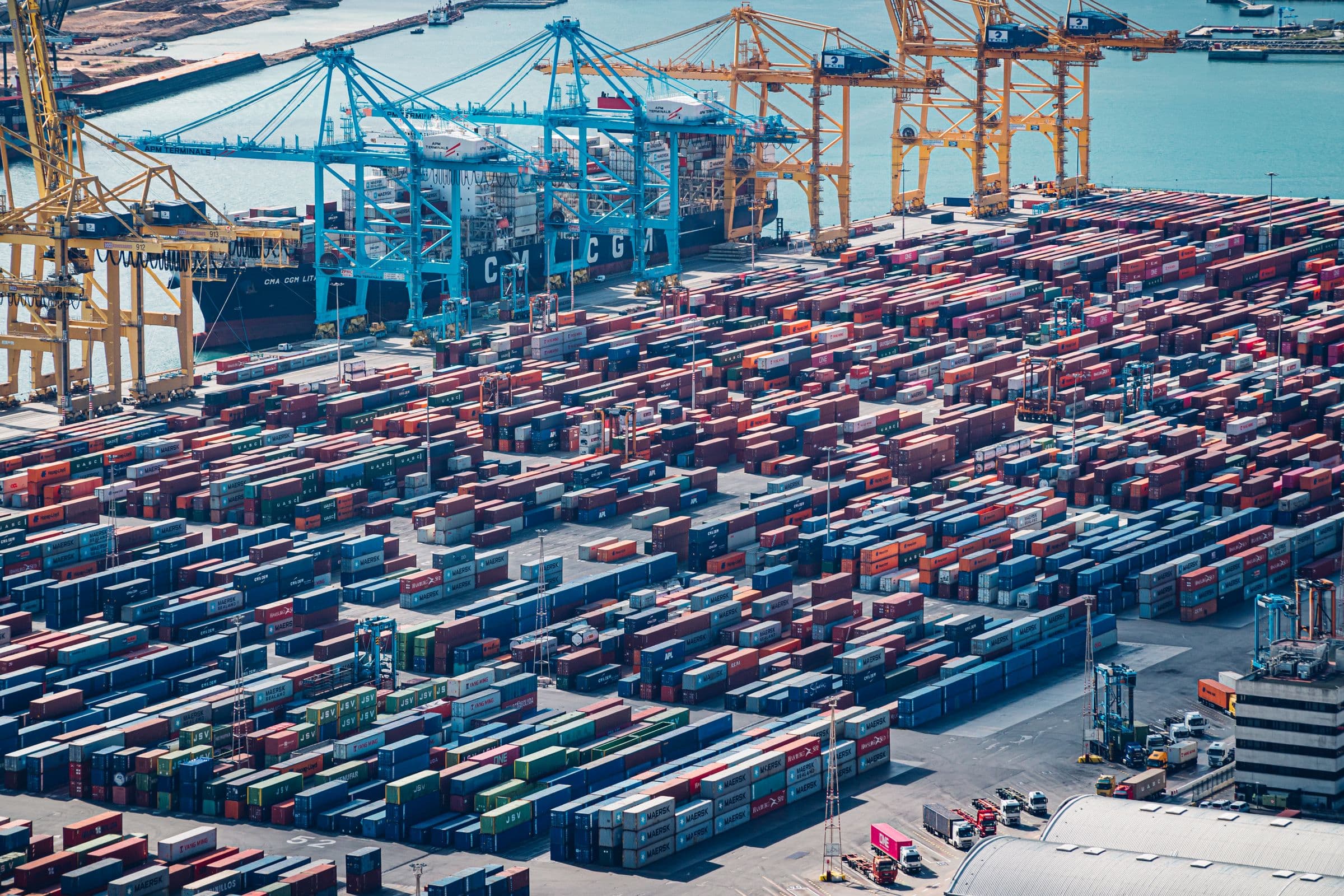
The Harmonized System sorts all traded goods into a single hierarchy that 200-odd customs administrations read the same way down to six digits. Below that each country splits further for its own statistics and its own rates.
The United States alone breaks the six-digit subheadings into more than seventeen thousand ten-digit lines. Getting to the right one is not a lookup. It is a walk, and every step is a place the walk can go wrong.
Broad groupings of trade
Chapter 77 held in reserve
Four digits, legally binding
Six digits, identical worldwide
Describe an article, photograph it, or load one of the four below. The descent runs live and the record is written as you watch.
TarrifIndex
Classification record
Reference — awaiting
The record fills in here: the commodity code, the rate that attaches to it, the provisions ruled out on the way down, and the written argument for all of it.
The parts of the Harmonized System that decide most arguments, in plain terms.
Classification stops being a bill per line and starts being something you own — with the reasoning attached to every SKU you ship.